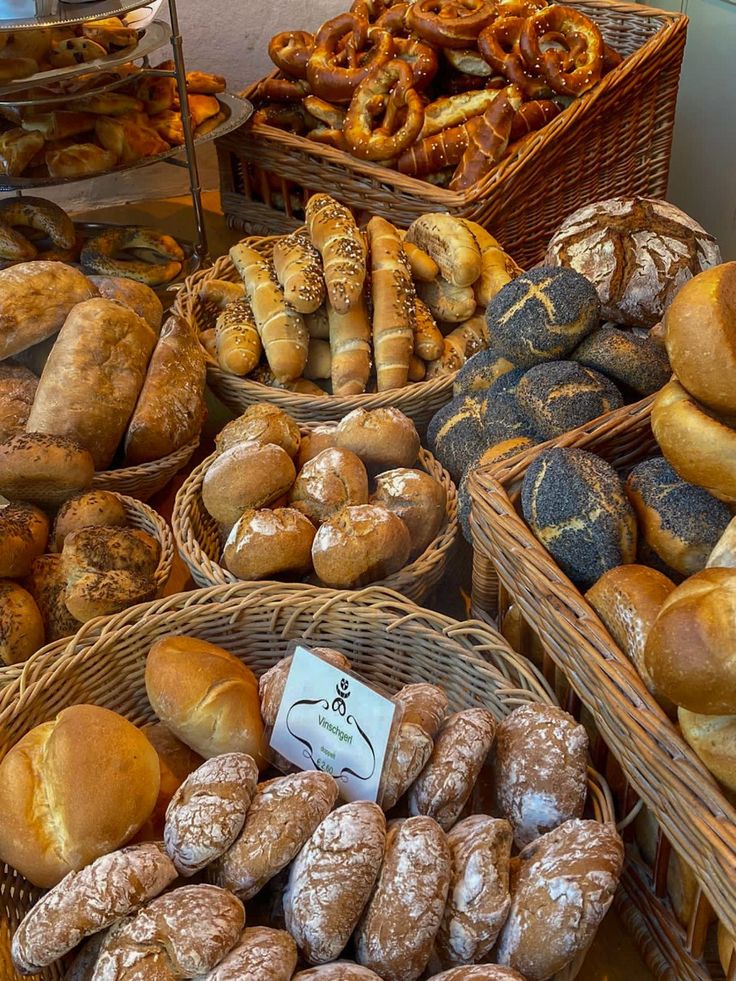
The Ancient Craft That Still Thrives Today
The magic of a traditional bakery lies not in modern technology but in ancient techniques passed down through centuries. At From Oven to Table, bakers use no automated proofers, no chemical dough krishna bakery conditioners, and no artificial flavors. Instead, they rely on wood-fired brick ovens, hand-mixed doughs, and the wisdom of their senses. The main oven, rebuilt from century-old plans, reaches temperatures over 500 degrees Fahrenheit and gives bread a smoky, caramelized crust impossible to replicate in electric ovens. This bakery stands as a living museum of baking heritage, where visitors can witness the same processes that fed villages hundreds of years ago. Every loaf tells a story of fire, flour, and patience.
The Journey of a Single Loaf From Mixing to Serving
Follow a single loaf of sourdough at this traditional bakery to understand real craftsmanship. At 10 p.m. the night before, the starter is fed with organic rye flour and filtered water. At 4 a.m., the head baker mixes flour, water, salt, and starter by hand in a large wooden trough. The dough rests, gets folded every hour, and finally divides into individual loaves by 7 a.m. Shaping requires gentle hands to preserve gas bubbles. Scoring happens seconds before loading into the oven with a long wooden peel. After 45 minutes of baking, the loaf emerges dark, crackling, and fragrant. By 9 a.m., it sits on a customer’s table, still warm, ready to be torn apart and shared. That journey takes nearly 12 hours and countless skilled movements.
Traditional Equipment That Shapes Character
The tools used in this bakery are as special as the bread itself. Wooden dough troughs absorb moisture and regulate temperature naturally. Linen-lined baskets called bannetons support loaves during final proofing, leaving spiral patterns on the crust. A coal-and-wood-fired oven creates uneven heat zones, forcing bakers to rotate loaves by hand and learn each oven’s personality. Long-handled peels, metal scrapers, and cane scoring knives complete the tool set. None of these require electricity. The bakery even mills some of its flour using a stone mill from the 1920s. Each piece of equipment contributes to the final flavor and texture, proving that tradition often produces superior results to automation.
The Ritual of Baking as a Daily Performance
Customers who visit From Oven to Table often stay to watch the loading and unloading of the wood-fired oven. There is a theatrical quality to the process: the peel sliding under a loaf, the swift opening of the heavy oven door, the burst of heat and steam that follows. Bakers work in rhythm, communicating with nods and short calls. Flour hangs in the air like stage smoke. The head baker often explains each step to curious onlookers, turning the bakery into an educational space. This daily performance connects people to their food in a way that packaged supermarket bread never can. It reminds us that baking is not just production; it is a ritual of nourishment and tradition.
Why Traditional Baking Creates Unforgettable Flavor
The final and most important magic of a traditional bakery is flavor. Slow fermentation develops lactic and acetic acids that produce complex sour notes. Wood firing adds subtle smoke and caramelization beyond what electric ovens achieve. Hand mixing avoids overworking dough, keeping the crumb tender and irregular. The result is bread with a crisp, shatter-crust, a moist and chewy interior, and a taste that lingers long after the meal ends. Customers often say they cannot go back to supermarket bread after experiencing the real thing. From Oven to Table does not just sell bread; it offers an education in taste. From the first crackle of the crust to the final crumb, the magic is undeniable.